Designed to Inform, Educate & Protect
The Knockout Pest Control Journal
Welcome to the Knockout Pest Control Journal — your trusted source for expert pest control tips, seasonal prevention advice, and practical insights for homeowners and businesses across Vancouver.
From ants and rodents to spiders, wasps, and wildlife concerns, our articles are designed to help you stay ahead of pest issues. We share proven strategies, prevention techniques, and professional guidance to help keep your property pest-free year-round.
Stay informed with helpful content from your local Vancouver pest control experts and take control of your space with confidence.
Wasp Control – A Recent Job in Metro Vancouver & Some Homeowner Tips
By Ryan, Owner, Knockout Pest Control
What I Walked Into
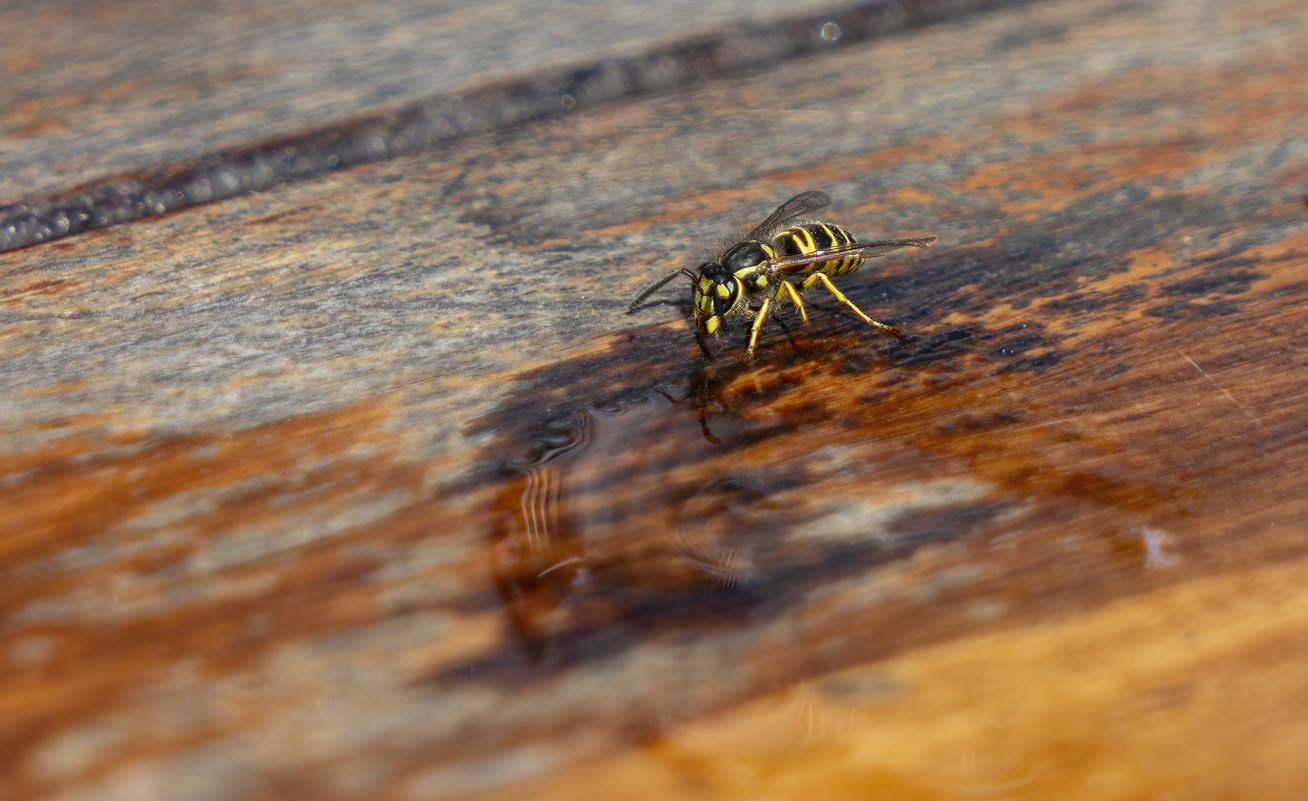
June is usually when wasp activity starts becoming much more noticeable around Metro Vancouver. As temperatures rise, nests begin growing quickly, and homeowners often start seeing regular wasp traffic around their yards, decks, and entryways.
This one started with a homeowner reaching out because they were seeing wasps constantly flying around their patio area. At first, they thought there were just a few nearby, but over a couple of weeks, the activity became impossible to ignore.
The property itself was well maintained. It had a nice backyard with a covered patio, flower beds, and a storage shed near the back fence. The family spent a lot of time outside, especially on weekends.
As soon as I arrived, I noticed several wasps flying the same path repeatedly between the patio and a section of the roofline. That’s usually a good sign there’s an active nest nearby.
The Problem
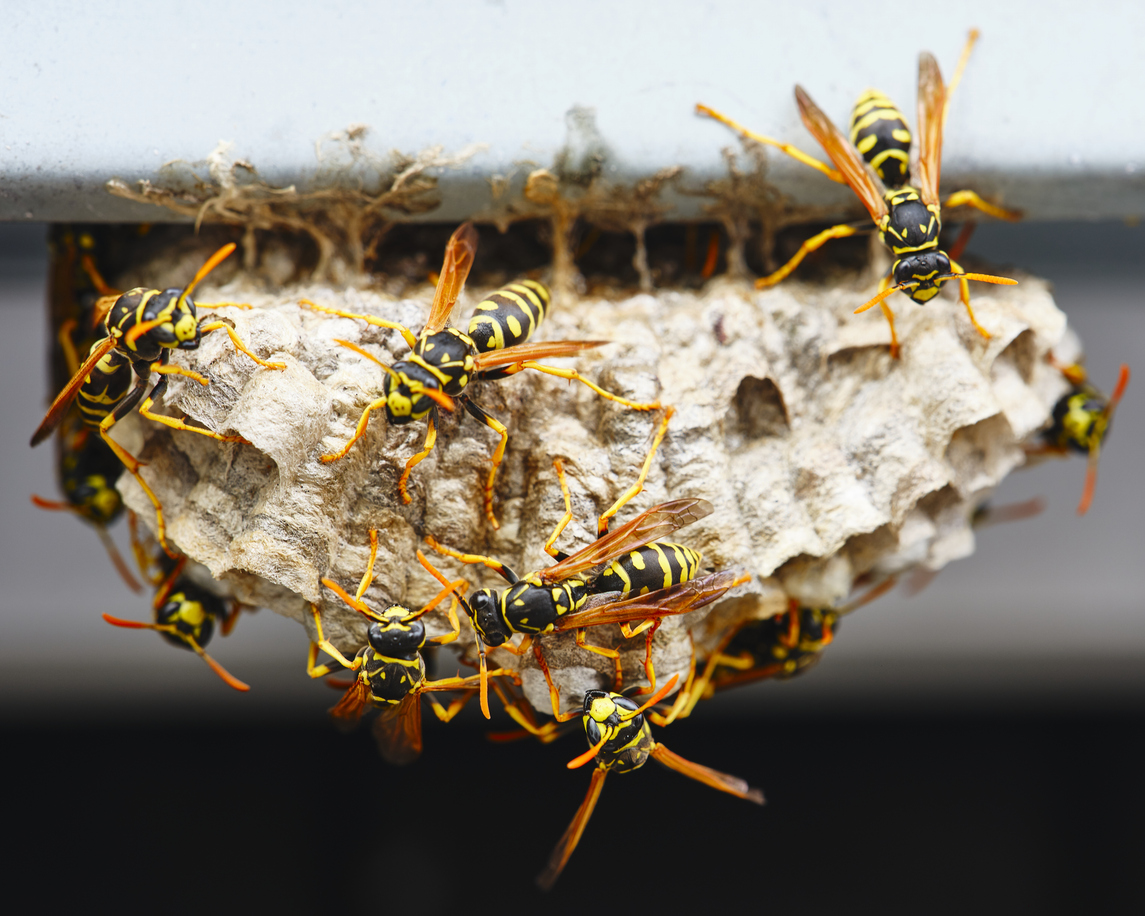
Once I started inspecting the property more closely, I found an active wasp nest tucked underneath the edge of the roof near the back of the house. It was partially hidden from view, which explained why the homeowner hadn't spotted it earlier.
The nest had already grown significantly, and there was steady activity throughout the day. Workers were constantly coming and going, which told me the colony was well established.
The issue wasn't just seeing wasps flying around. The homeowner told me the family had stopped using the patio because they were worried about getting stung. The kids were avoiding the backyard, and outdoor meals had become stressful because wasps kept hovering around food and drinks.
That's something I hear a lot during early summer around Metro Vancouver. What starts as occasional wasp sightings can quickly turn into a situation where people don't feel comfortable using their own outdoor space.
The concern is understandable. Unlike many other pests, wasps can become defensive if they feel their nest is threatened. For families with young children, pets, or anyone with sting allergies, that creates an added level of worry.
The Process
We started with a complete inspection of the property to determine where the nest was located and whether there were any other areas showing signs of activity.
After confirming the primary nest location, I treated the colony directly using professional products designed specifically for wasp control. The timing and application method are important because you want to target the nest when activity patterns are most predictable.
Once the treatment was completed, I monitored the activity around the nest to make sure it was working properly. Over the next couple of days, the number of active wasps dropped significantly.
After the colony was no longer active, the nest was safely removed. I also inspected nearby areas where wasps commonly build nests, including under deck surfaces, roof overhangs, sheds, and exterior corners.
I explained everything to the homeowner throughout the process so they knew what to expect and understood why each step was necessary.
The Outcome
Within a few days, the homeowner noticed a major difference around the patio area. The constant wasp traffic that had been there every day was gone.
By the following week, there was no visible activity around the former nest location. The family was able to sit outside again without worrying about wasps circling around them while they ate or relaxed.
When I checked back in, the homeowner mentioned how much more comfortable the backyard felt. The kids were using the yard again, and they had already hosted a small family gathering outside without any issues.
That's usually the biggest change after a wasp problem is resolved. People stop thinking about it every time they step outside and can simply enjoy their property again.
DIY Advice
Before wrapping up, I gave them a few practical things to stay on top of during wasp season.
I recommended walking around the property every couple of weeks and checking common nesting areas like roof edges, soffits, sheds, deck undersides, and fence corners. Small nests are much easier to deal with when they're caught early.
We also talked about keeping outdoor garbage containers tightly closed and cleaning up food spills quickly during outdoor gatherings. Wasps are attracted to food sources, especially sugary drinks and leftover food.
I suggested checking for damaged screens and keeping outdoor eating areas clean after meals. During summer, even small amounts of food residue can attract wasps repeatedly to the same location.
Another thing I mentioned was trimming back vegetation around seating areas and inspecting outdoor structures regularly for new nest activity.
They stayed consistent with those habits afterward, and it helped reduce the chances of another nest becoming established nearby.
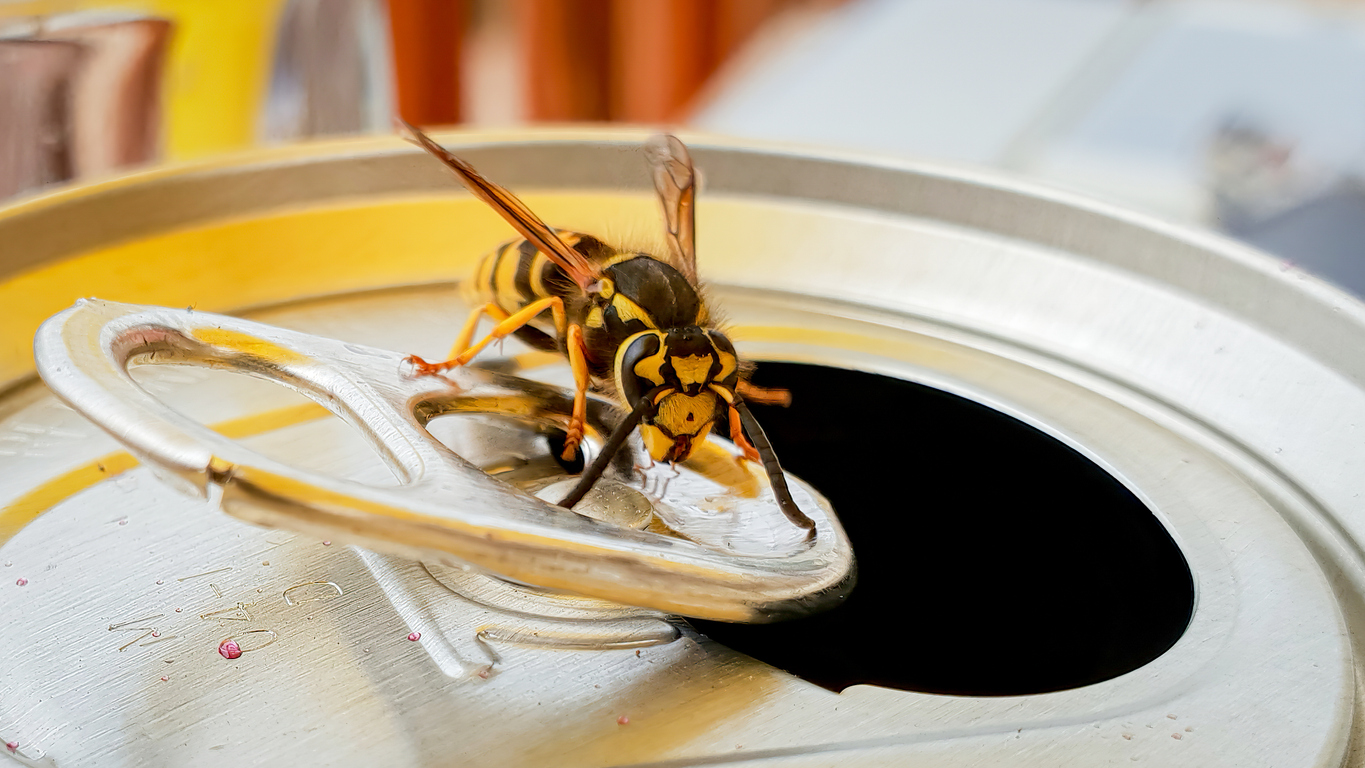
Professional Insight
Wasp problems often seem straightforward because the insects are easy to see. The challenge is that homeowners usually notice the wasps long before they find the nest.
Many nests are built in hidden locations under rooflines, inside wall voids, beneath decks, or in other areas that aren't immediately visible. That's why simply dealing with the wasps you see doesn't solve the actual problem.
The key is identifying where the colony is located and addressing it properly. Once the nest is removed and common nesting areas are monitored, wasp activity usually drops significantly.
It's also important to avoid attempting removal of larger nests without proper equipment. As colonies grow, wasps become more defensive, and that's when sting incidents are most likely to happen.
Closing
Every June around Metro Vancouver, wasp calls start increasing as nests become larger and more active.
Most of the time, it starts with seeing a few wasps around the yard. Then homeowners begin noticing the same flight paths every day, and eventually they realize there's probably a nest nearby.
If you're seeing consistent wasp activity around your home, it's usually worth investigating early before the colony gets larger and harder to manage.
– Ryan

Professional, reliable, & eco-conscious
5.0 rating on Google
Address
4186 Garden Grove Dr
Burnaby, BC
V5G 4G6

© 2026 Knockout Pest Control. All rights reserved.